
Stormwater vs Wastewater: Why Your Home Has Two Drainage Systems

Most Auckland homes have two separate drainage systems running underground: stormwater and wastewater. One carries rainwater away from your roof and driveway. The other carries everything that goes down your toilets, showers, sinks and washing machine. They look similar from above, but they go to very different places, and keeping them separate matters more than most people realise.
In short: wastewater is the used water from inside your house and goes to Watercare's network for treatment. Stormwater is rain from roofs and hard surfaces and flows to streams and harbours. Downpipes must never connect to the wastewater system, and your gully trap should be raised and covered with a grate.
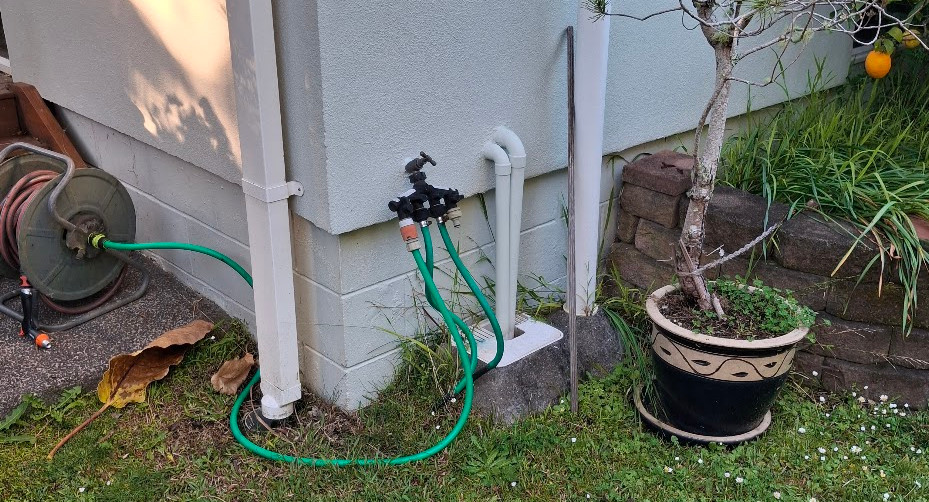
What is wastewater?
Wastewater (sometimes called foul water or sewage) is the used water from your toilets, showers, baths, basins, kitchen sink, dishwasher and laundry. It runs through your private drains, usually via a gully trap outside, into Watercare's public wastewater network for treatment. Watercare explains that a well-made gully trap has a water seal that stops smells coming back up, and helps stop wastewater overflowing inside your home if a pipe further down is blocked.
What is stormwater?
Stormwater is rain that lands on your roof, driveway, paths and other hard surfaces. It's collected by gutters, downpipes and yard sumps (cesspits) and, according to Auckland Council, flows through public and private pipes, drains, streams and channels to our waterways and harbours. That's why the council asks people never to put chemicals, rubbish or other contaminants into stormwater drains. What goes into your yard sump can end up in the local stream.
Why mixing stormwater and wastewater causes problems
The two systems are built for very different jobs. Watercare's page on downpipes and gully traps explains that when rainwater gets into the wastewater network, through a downpipe connected to the wrong drain or a gully trap that sits too low or has no grate, it overloads the system and can cause wastewater overflows. Those overflows can affect your own property as well as the public network.
Watercare also notes that cracked or worn-out wastewater pipes let stormwater seep in, which adds to the same problem. Older drains are more prone to this, especially where tree roots have found their way in.
Who looks after which pipe?
Wastewater: Watercare looks after the public network. Your responsibility depends on whether the public pipe is inside or outside your boundary. See Watercare's guide to who's responsible for pipes.
Stormwater: Auckland Council owns the public stormwater network. Property owners look after the private pipes, drains and gutters on their land, generally up to where they connect to the public network. Public pipes can also run through private land. See who maintains stormwater pipes and drains.
Five quick drainage checks around your home
Check your gully trap. It should sit above the surrounding ground with a grate on top, so rain and garden debris can't get in.
Follow your downpipes. They should run to the stormwater system, never into a gully trap.
Clear gutters and sumps. Auckland Council's guidance on managing private stormwater drains recommends keeping them free of leaves, litter and sticks.
Watch where water flows. It should move away from the house towards collection points, not towards your walls or your neighbour's place.
Keep sumps clean. No chemicals, paint or wash water down yard sumps or stormwater grates.
Frequently asked questions
How do I know if my downpipe goes to the wrong drain?
If a downpipe empties into or right next to your gully trap, that's a red flag. A lot of connections are underground and hard to see, though, so a drainlayer can confirm where each pipe actually goes.
My yard sump keeps flooding. Whose problem is it?
If the blockage is in the private pipes on your property, it's usually the owner's responsibility. Auckland Council's guidance suggests your first call should be to a plumber or drainage contractor. If it turns out to be a public pipe, it can be reported to the council.
Can I fix a gully trap or downpipe connection myself?
Clearing gutters and sumps is fine for most homeowners. Altering drains is drainlaying work, so it needs a registered drainlayer.
Need a drainage check?
We repair and install both wastewater and stormwater drainage, so if you're worried about a gully trap, a downpipe connection or a sump that won't drain, we can sort it. You might also like our post on how tree roots damage sewer pipes. Every repair and installation is backed by a 12-month workmanship guarantee. If something we've fitted fails because of our work, we'll fix it at no charge.
Call 021 025 83179, email info@poseidonplumbing.co.nz or send us a message for a free quote. We work right across Auckland, including New Lynn, Glen Eden and East Auckland.
Sources
General information only. Check the linked sources for current rules for your property.


Comments